
“CrossFit.” Many people picture elite athletes flipping heavy tyres, performing fast Olympic lifts, or pushing through hard workouts in a gym. If you aren’t a serious athlete or a fitness fan, this might be your first reaction. You might even think, “That’s not for me.”
However, in the last 20 years, CrossFit classes have grown from a small gym in California into a global fitness movement. It has changed how we view exercise, community, and what our bodies can achieve.
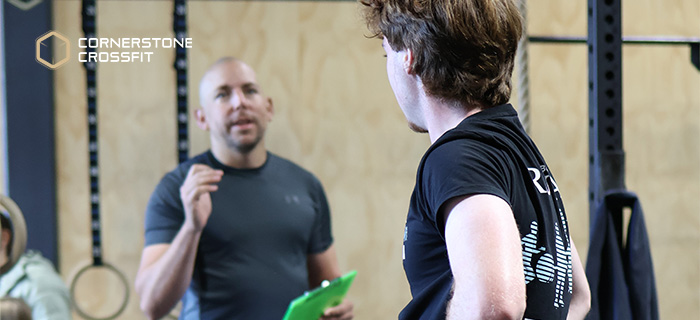
As a coach in Canberra, I witness the transformative effects of this method every day.
This guide will explain what CrossFit is, why it is effective, and why it could be the key to improving your health journey.
The Origins of CrossFit
CrossFit started in 2000, founded by Greg Glassman. He wanted to create a workout program that was broad and inclusive. His goal was not just to make better bodybuilders or faster marathon runners; he aimed to help people become capable of anything.
To achieve this, CrossFit combines three main types of exercises:
- weightlifting
- gymnastics
- cardio
This variety helps improve overall fitness, strength and conditioning. The different workouts keep people interested and engaged.
Core Philosophy of CrossFit:
- Focuses on functional movements that mimic everyday activities.
- Uses exercises that engage multiple muscle groups (e.g., squats, deadlifts, overhead presses).
- Aims to make the body strong and capable for real-life situations (e.g., lifting heavy objects, climbing stairs).
Another key part of CrossFit is its high intensity, which
- Promotes better results through intensity.
- Progress is measured by the weight lifted or the speed of workout completion.
- Encourages pushing limits in a safe environment.
- More effective for fat burning and muscle building compared to long, slow cardio sessions.
The structure of CrossFit workouts
A typical CrossFit class has four main parts:
- a warm-up
- strength training
- the WOD (Workout of the Day)
- a cool-down.
Here’s how each part works:
- Warm-Up: This part includes dynamic stretches and movements. The goal is to get your body ready for the workout and to help prevent injuries.
- Skill/Strength Training: Here, you focus on a specific movement or lift, like deadlifts, squats or Olympic lifts. You might also practice skills such as climbing ropes or gymnastic movements.
- WOD: This is the main part of the class. You perform a series of functional movements for a set time or number of repetitions. The goal is to challenge yourself while keeping good form.
- Cool Down/Stretching: The class usually ends with cool-down exercises and stretching to help you recover.
Community Focus
One of the best things about CrossFit is the sense of community it creates. Unlike regular gyms, where people often work out alone, CrossFit is social.
In the CrossFit community, participants
- work together
- cheer for each other
- celebrate personal achievements
This support can boost motivation and accountability.
Working out with others who have similar goals can make your fitness journey more enjoyable.
Scalability and Accessibility
Many people think CrossFit is only for top athletes. However,
- CrossFit is very adaptable.
- It can suit people of all fitness levels.
Each workout can be adjusted so beginners can join in without feeling overwhelmed, while experienced athletes can take on bigger challenges.
This inclusivity is a key part of the CrossFit philosophy, making it open to anyone who wants to improve their fitness.
Health Benefits of CrossFit
Regular CrossFit group classes offer several health benefits, including:
- Increased heart rate from high-intensity workouts can improve your heart health.
- Building lean muscle and enhancing body composition through weightlifting and bodyweight exercises.
- Improving flexibility and mobility helps prevent injuries.
- Strengthening your mental toughness as you tackle challenging workouts.
- Supporting weight loss and helping you maintain a healthy weight.
Nutrition and CrossFit
Nutrition is a crucial component of any fitness regimen, including CrossFit. Many CrossFit enthusiasts use specific nutritional strategies to enhance their training.
A common dietary approach is the Paleo diet, which focuses on:
- Whole foods
- Lean meats
- Vegetables
- Fruits
- Nuts and seeds
Proper nutrition is key to optimising performance and recovery.
A well-managed diet supports workouts and leads to more noticeable results.
CrossFit’s Global Impact
CrossFit is more than just a workout; it’s a global community! With a presence in over 150 countries, it’s amazing to see how the brand has sparked a fitness revolution all around the world. This vibrant network connects CrossFit fans everywhere, making it easy to share experiences and ideas.
Thanks to social media and online groups, athletes can swap workouts, share tips and cheer each other on, no matter where they are.
Final Thoughts
CrossFit offers numerous health benefits and provides a supportive environment that empowers individuals to reach their potential and adopt a healthier lifestyle.
If you’re ready to begin your fitness journey, Cornerstone CrossFit is the perfect place for you. We customise workouts using CrossFit methodology, catering to all fitness levels. Our scalable workouts ensure that everyone can participate. Start your fitness journey today!